Ethereum Layer 2 Fees Hit a Multi-Year Low as Rollups Mature
Median L2 transaction costs have compressed dramatically in 2026 as blob capacity expands and sequencer competition intensifies.

The blob economy is finally cheap
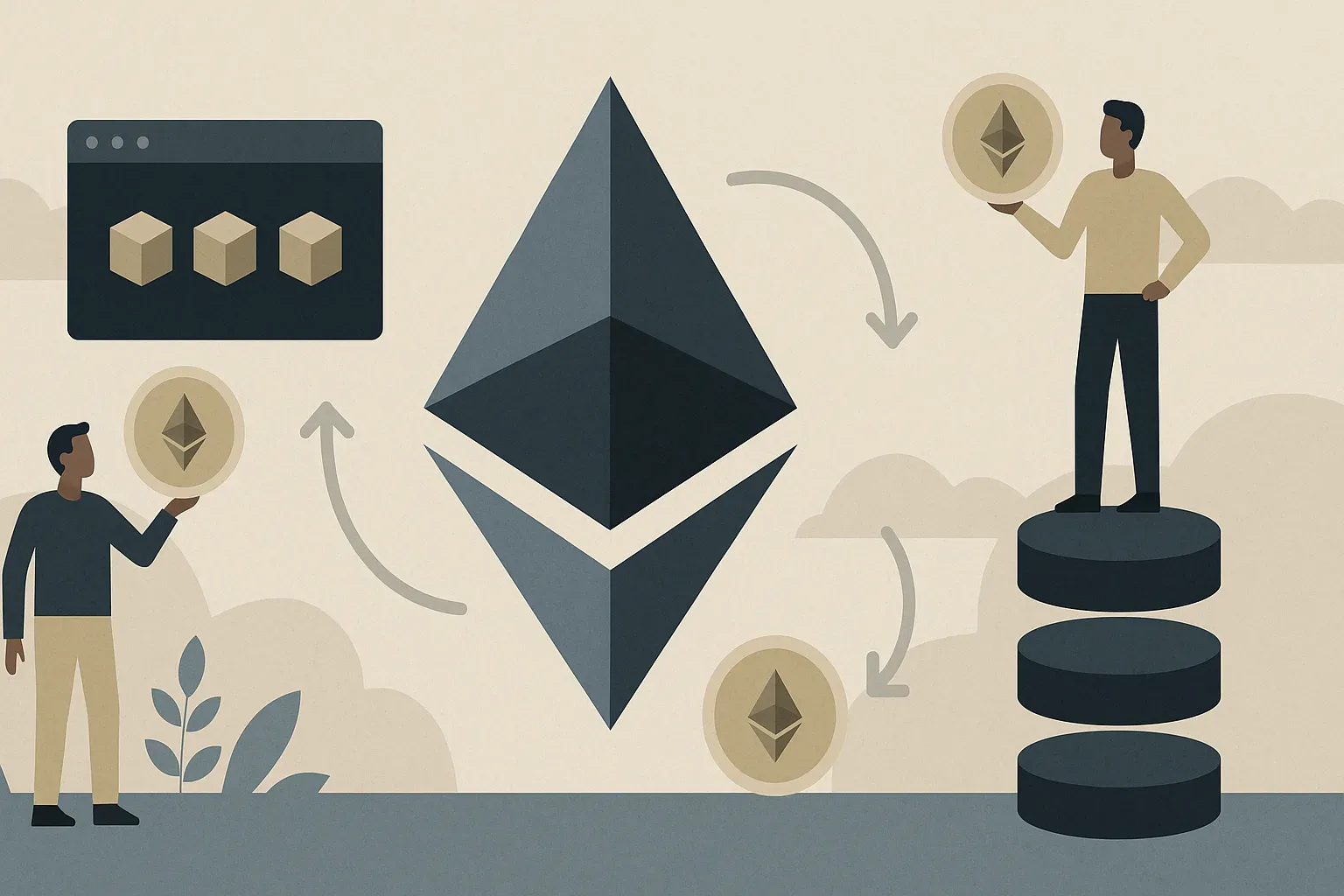
Ethereum's blob capacity, introduced with EIP-4844, has moved from an experimental scaling primitive into the backbone of the L2 economy. Median transaction fees on the leading rollups now sit well below a cent for most user operations.
The compression is not just a function of low demand. It reflects real capacity growth: more blobs per block, more efficient batch compression and better sequencer engineering.
Winners and losers among rollups
General-purpose rollups continue to dominate volume, but appchains built on the OP Stack, Arbitrum Orbit and ZK Stack are quietly aggregating the long tail of consumer applications.
The gap between optimistic and zero-knowledge designs is narrowing as ZK provers become cheaper and faster to run.
What this unlocks for users
Cheap block space unlocks entirely new categories of onchain behavior — high-frequency games, social feeds, micropayments and identity graphs that were previously impractical.
The next twelve months will likely be defined less by which chain wins and more by which consumer applications finally break out of the crypto-native audience.
Frequently asked questions
- What is a rollup?
- A rollup is a Layer 2 that executes transactions off the main Ethereum chain and posts compressed proofs or data back to it, inheriting Ethereum security while lowering costs.
- Are all L2 fees now under a cent?
- Most simple transactions on major rollups now cost fractions of a cent, though complex DeFi interactions can still run several cents during peak demand.